

Revolutionary Life
Truck Naming Contest

Print Update: We are printing our next issue tomorrow and distributing soon after. If you’d like a print subscription, visit JPsubs.com.
Don’t Forget to Vote for Our Next Comic!
Here are the results of our “next comic” poll so far. We probably can only afford to subscribe to one more strip.

There is plenty of time to get your vote in.
By reader request, we’ll do another poll with four more strip options and then have a Final Four vote for the ultimate winner!
From the Stacks
Revolutionary Life
By KC Scott
Greenwich Free Library
Special to Journal & Press
So much written about our local history focuses on the battles and skirmishes we are familiar with. It made me wonder about everyday life during these times, how ordinary people lived.
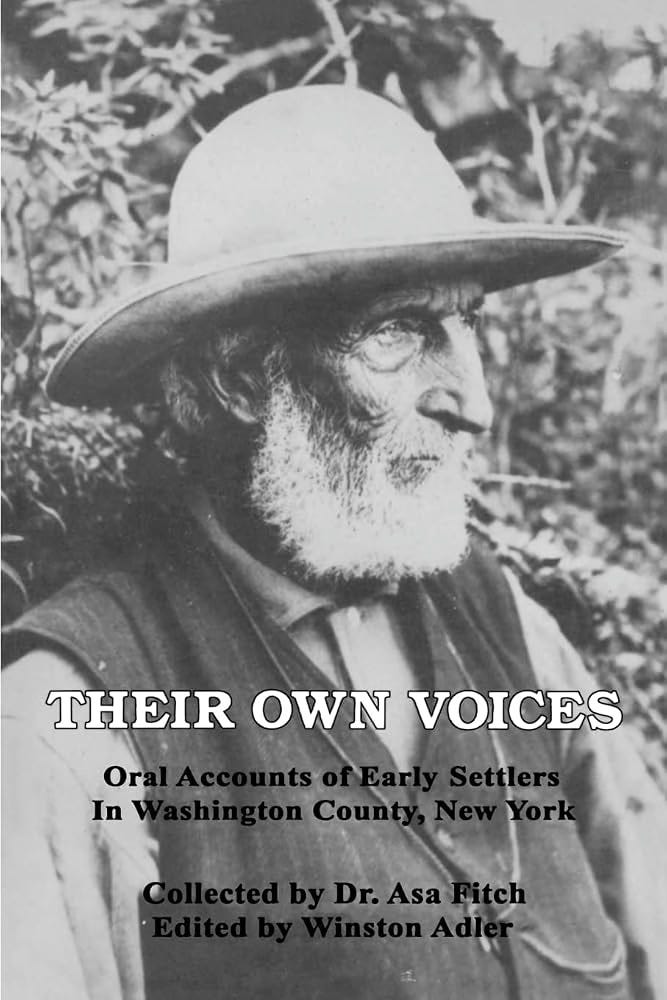
Talking about local history is popular here at the library, and reading suggestions are plenty. The book most recommended is “Their Own Voices” a compilation by Winston Adler of some of Asa Fitch’s interviews with local residents in the early 1800’s who were here, or their parents or other relatives were here, during the Revolutionary War. Fitch’s interviews are vast, and Adler’s chosen stories from those archives were published in the Journal-Press from August 1979 to June 1981, which became the collection in this book. I am very grateful that Adler did this! Without having to wade through microfilm (difficult if not impossible) or sequester myself in a windowless room perusing books I can’t take home, this book has pretty much all I was looking for.
The book is laid out chronologically, featuring early residents, mostly from Scotland and Ireland, some having settled in Massachusetts or downstate prior coming west or north to Washington County (then Charlotte County). Many settlers were veterans of the French and Indian War. The region was divided into patents; the Turner Patent, 25,000 acres, comprising Salem, and the Argyle Patent, 45,000 acres, comprising Argyle, Greenwich and Fort Edward. These patents were obtained in 1764 when most of these recollections begin. Some descriptions of locations allow a hint of their location today, which is a fun thing to discover. How many times do long-time residents describe a location by what used to be there! Little by little we gain historical insight. A map of these patents resides in the Gill Room of the Greenwich Free Library.
Although the overriding theme of the book is the contest between the British and Colonists, my primary interest in the interviews are the details of daily life. Accounts of the first White settlers describe how a piece of land could become a meadow or field, “Cows used to be turned daily into the woods and there get their own keep, browsing upon the twigs and leaves. They used to be furnished with bells.” Clearing land was paramount, done by hand since horses were not widely available, by cutting small trees and burning them against large trees. As soon as possible, crops were sown… corn, wheat, oats, potatoes and grasses for hay, seed for which was procured in Albany.
Houses were sparse and small, with a fireplace and a door. A description of one gives dimensions of 18 to 20 feet square, one room, one bed for everyone. Neighbors were at a distance of 2 or 3 miles. Roads were few and most travel was on paths through dense woods. Providing for a family was challenging to say the least and older children were often put out to bond, sometimes but not always with a family member, until old enough to go out on their own. Some were luckier than others in this regard.
The book moves forward to the war years, mostly 1776 and 1777. By this time there were more people and the war had reached these remote areas, regardless of political leanings.
Some of the accounts profess loyalty to the King, some are in favor of independence, and some attempt neutrality. Complicating this is the constant fighting with the Native Americans, who sometimes sided with the Loyalists, sometimes with the Colonists, sometimes against them both or each other, and notably against the settlers. The tales of depredation and fear among the settlers told in their words is poignant. There is much about the horrific Allen massacre. This tragedy brought about an exodus from Argyle and Salem in 1777. Some returned and found devastation and loss, but persevered toiling at what needed to be done. Babies were born, and some survived. There were schoolhouses and churches. They made maple syrup, grew wheat, and took it for grinding at a mill. One person tells of a mortar made by repeatedly dropping a red hot cannon ball on a stump to harden it, and grinding corn by suspending a stone from a tree branch over it. There’s an account of a woman baking bread for the Salem Regiment. The danger alarm was sounded because of the supposed large number of enemy moving through a corn field, and loath to leave a large batch of bread to spoil, she chose to stay and rely on the speedy return of her husband to help them get away if need be. The men all returned later to report a false alarm.
The memories in this book, which is available to borrow here and at many local libraries, chronicle hardships but highlight the humanity of these hardy settlers; their acceptance that this is just the way life is, tackling this difficult life with determination, the reliance on neighbors and family essential.
These stories likely are familiar to many of you, but I hope there are some of you, like me, who will be interested in reading this book. Be forewarned, it will lead to exploring further!
Name This Truck!
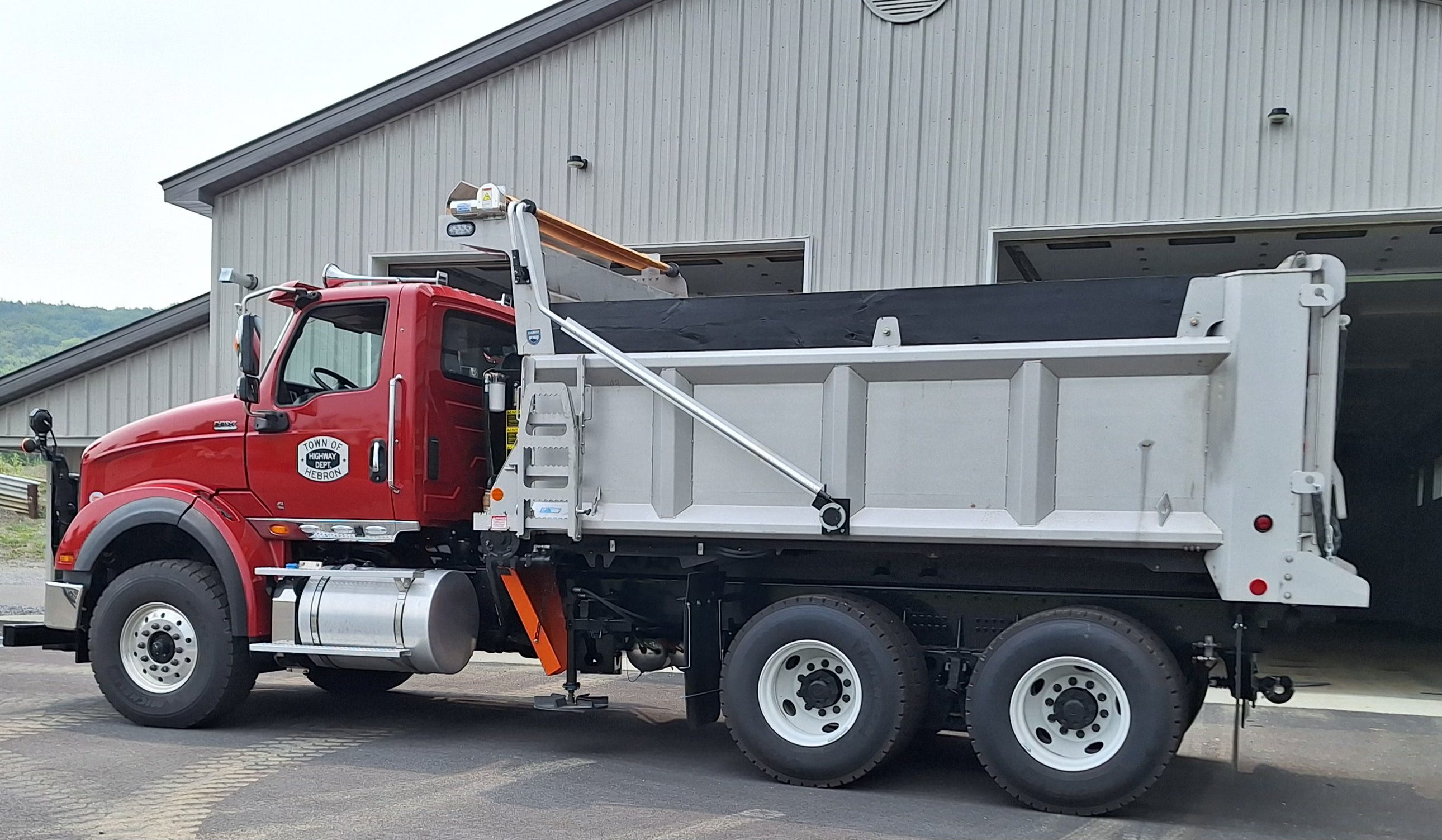
The Town of Hebron Highway Department is inviting residents to help name its newest plow truck through a community contest beginning Aug. 1.
The contest, sponsored by Highway Superintendent Jeff Crosier Sr., is intended to recognize the work of the highway department while giving residents a fun opportunity to participate in a community project.
“Our trucks are a familiar sight throughout the community, and this contest is a lighthearted way to recognize the people and equipment that keep essential services moving,” Crosier said. “We look forward to seeing the creative names residents come up with.”
The contest is open to Town of Hebron residents. Employees, contractors, judges and their immediate family members may be ineligible at the sponsor’s discretion.
Entries will be accepted from Aug. 1 through Aug. 31. Participants may submit up to three original, family-friendly names by emailing Hebron Town Council Member Jill Nadolski at jnadolski@hebronny.gov. Each submission should include the proposed truck name, along with the entrant’s name, address, telephone number and other contact information.
Contest organizers ask that names be original, appropriate for all ages and suitable for public display. Entries should be easy to read, pronounce and remember, and may not infringe on trademarks, copyrights or other intellectual property. The town reserves the right to reject entries that are offensive, duplicative or otherwise inappropriate.
A judging panel selected by the town will evaluate eligible submissions based on originality, relevance, clarity, memorability and suitability. The winner is expected to be selected on or about Sept. 3.
The winning entrant will receive a ticket to the Barns of Hebron Tour & Dance on Sept. 12, which includes a complimentary dinner at the Hebron Volunteer Fire Company’s chicken barbecue and admission to the Hebron Preservation Society’s barn dance. The prize is valued at $45.
The newly named plow truck will also be featured during a Touch-a-Truck activity at the Sept. 12 event, allowing children and families to explore the vehicle in a safe environment. The event, held at the new Hebron Highway Barn, 660 Chamberlin Mills Road, will also feature food, entertainment and other family-friendly activities.
Additional information about the Barns of Hebron Tour & Dance and chicken barbecue is available through the Hebron Preservation Society.
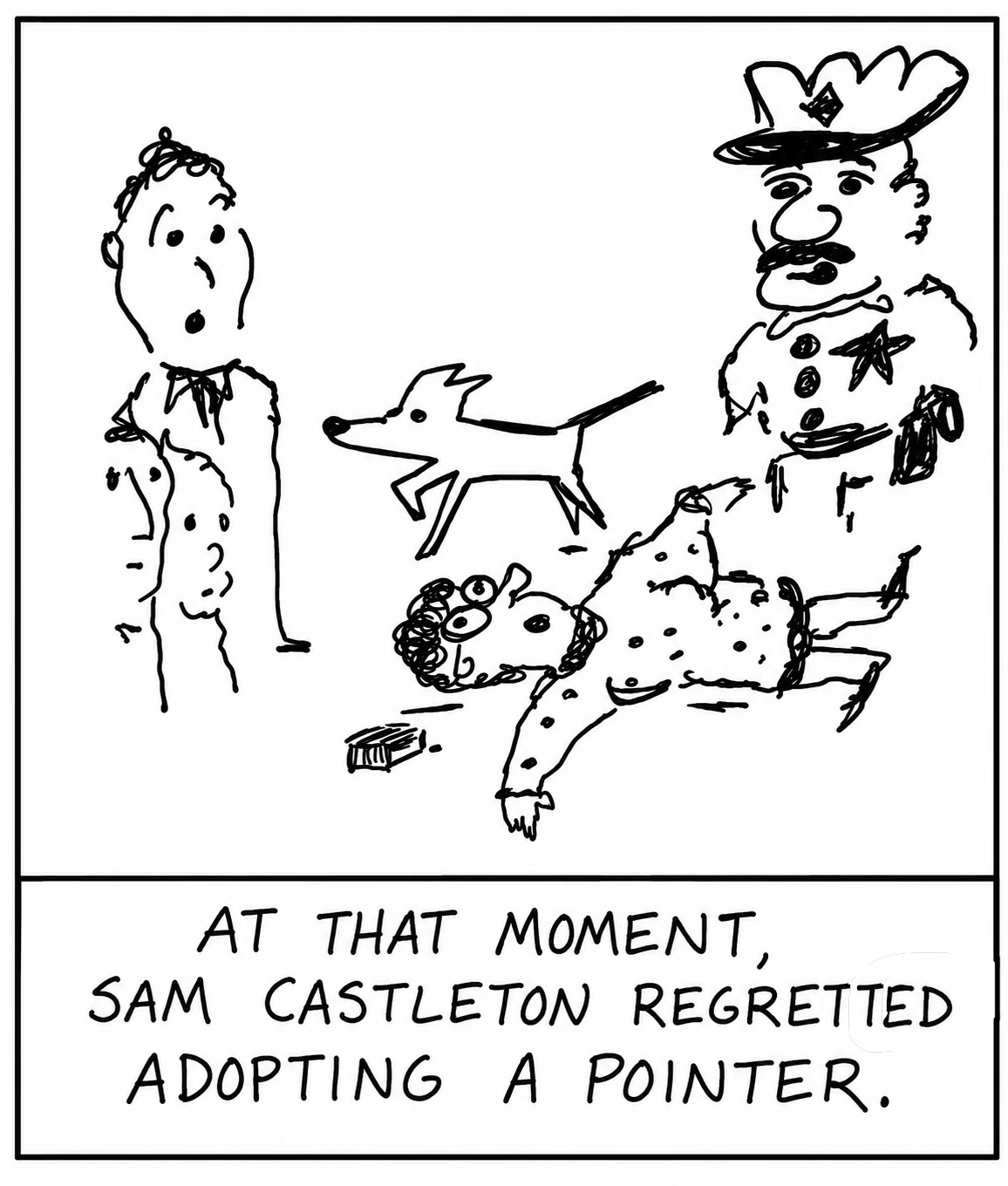
And Now for the Comics … ‘On the Scene’ by Darren Johnson
More tomorrow!