

Everyday Compassion
The In Good Faith Column

Reminder
Don’t forget to use our new submission form if you have a press release or similar story to send us — even for-profit businesses are eligible to submit! Who doesn’t need free publicity?

Everyday compassion
By MaryAnne Brown
Journal & Press
The Dalai Lama once defined compassion simply as the wish that others be free of suffering. These words are gentle, almost disarmingly so — yet they ask much of us. Compassion is not agreement, not fixing, not even understanding everything. It is allowing another person’s burden to matter to us. In many ways, compassion asks us to slow down — to pause long enough to notice another person’s humanity before forming our opinion about their situation.
I saw it clearly one December evening on the staircase in our home. My six-year-old granddaughter had grown uneasy while her parents were out Christmas shopping. She kept listening for the door, asking when they would be back. Her four-year-old sister quietly moved closer, slipped an arm around her shoulder, and said with great seriousness, “Don’t worry. They’ll be home soon. We’re okay.”
There was no explanation, no attempt to solve anything. Just closeness. The anxiety didn’t disappear instantly, but it softened. Someone had stepped into it with her. Children seem to understand what we sometimes forget — compassion begins by drawing near. Often our presence does more healing than our advice ever could.
I felt that truth again in a harder moment when my son suddenly lost his father-in-law with whom he had grown quite close. My heart ached for him and my daughter-in-law. There were no useful words, no helpful advice. Yet love stretches in silence, in a look of understanding, and in a warm embrace. Compassion is not removing sorrow; it is refusing to leave someone alone inside it. Grief, after all, is not a problem to solve but a journey to accompany.
We recognize this pattern in the Gospels, where Jesus is so often described as being “moved with compassion.” He notices the crowd before they speak, feeds them before they ask, touches the leper others avoid, and weeps at the grave of a friend. His compassion is never distant. He steps toward pain rather than around it. For followers of the Way of Jesus, compassion is not an optional kindness — it is the shape of faithful living.
Following Christ is not only believing rightly but loving generously.
And we see compassion, right here at home. After the heavy storms of this harsh winter, neighbors appeared almost wordlessly — shovels in hand — clearing walkways not only for themselves but for the older neighbors down the street. When illness keeps someone inside, meals begin to arrive in quiet succession. When tragedy strikes, the community gathers: casseroles, rides, prayers, child-care, sitting rooms filled with gentle presence and coffee that stays warm long after it’s poured. Friends, neighbors, even strangers somehow know what to do. Not perfectly. Not eloquently. But faithfully. These small acts remind us that compassion is rarely dramatic. It is ordinary people choosing tenderness over indifference. In these moments, community becomes more than geography — it becomes care made visible.
And yet we live in a time when compassion feels fragile. Our public conversations grow sharp. We label quickly. We assume motives. Beneath the noise are the real wounds — grief we carry privately, divisions we struggle to bridge, injustices that leave lasting scars in communities and hearts alike. The temptation is to withdraw or harden ourselves. However, hardness protects us only briefly; it rarely heals anything.
Yet compassion asks the opposite. It asks us to remain open. What if we listen before judging? What if we look for fear beneath anger? What if we believe that every harsh voice may be protecting a hidden hurt? Compassion does not erase truth or accountability; rather, it changes how we hold them — with humanity intact. An open heart does not weaken principle; it deepens wisdom.
Everyday compassion looks small: sitting beside someone anxious, writing a note, offering patience in a long line, resisting the urge to speak sharply, praying for the person who unsettles us most. These gestures will never make headlines, yet they quietly steady the world. They are the hidden steps toward peace.
Perhaps that is why the staircase moment lingers with me. The child did not know she was practicing virtue. She simply stayed close. And closeness changed everything.
As the Dalai Lama reminds us — and as we see again and again in the Gospels when Jesus is “moved with compassion” — an open heart is the key to living compassion in everyday life. May we be people whose hearts remain open — in our homes, in our communities, and in this fragile, beautiful world.
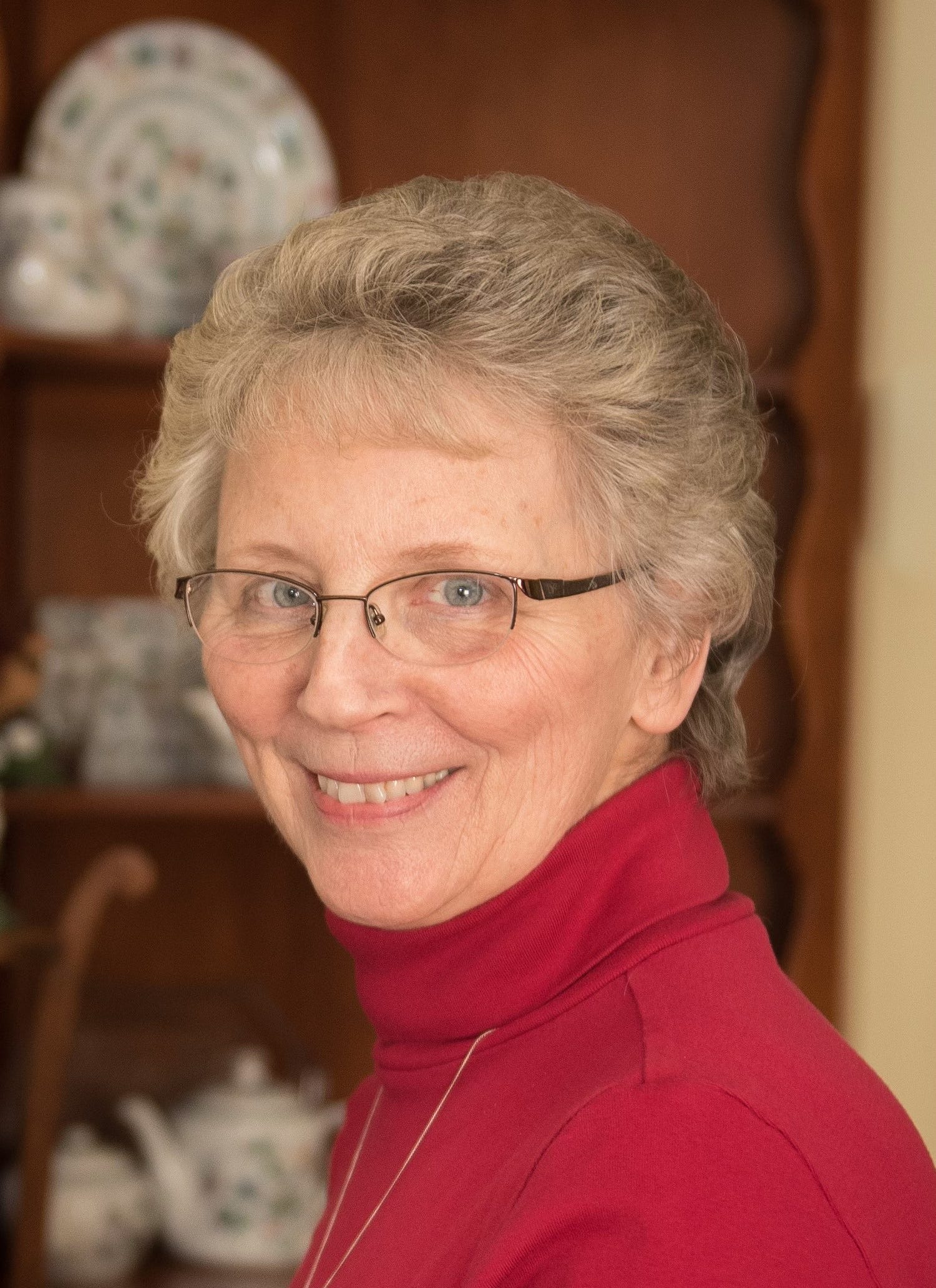
MaryAnne Brown, RN, BSN, MA is a music minister at St. Joseph’s Church and has a special interest in spirituality and health. She serves on the Retreat Team at Dominican Retreat and Conference Center in Niskayuna and provides grantwriting services.
And Now for the Comics — ‘9 to 5’ by Harley Schwadron

More tomorrow!