

A chat with Chris Hubbard: Capturing light and color in nature and art
Fiber Art Show returns

A chat with Chris Hubbard: Capturing light and color in nature and art
By Elizabeth Karp
Journal & Press
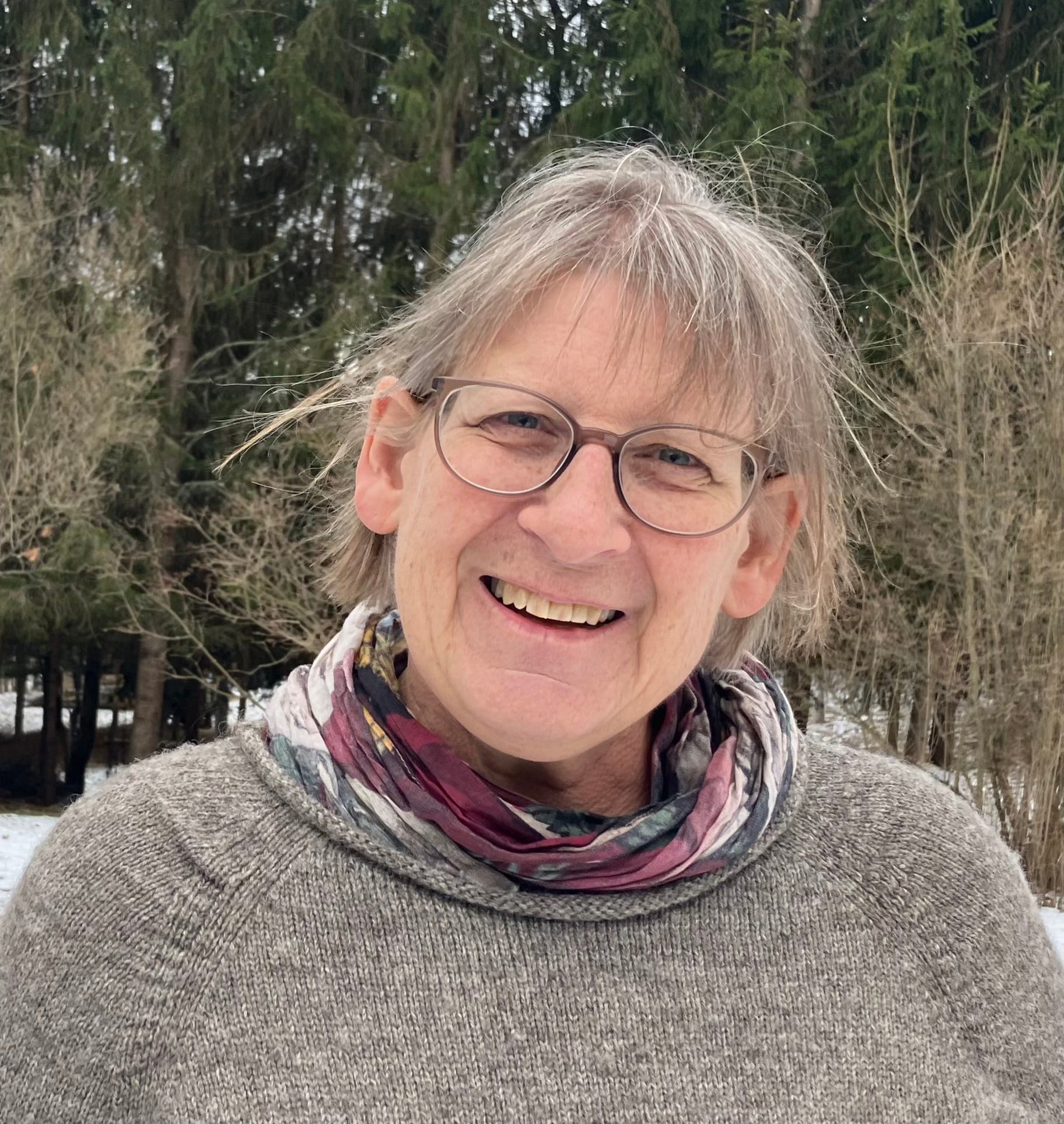
Artist Chris Hubbard works in different dimensions. Hubbard considers herself to be mostly self-taught, researching and taking classes to learn about materials and tools, sharpen skills and hone her techniques. Hubbard’s watercolor paintings are representational while her handmade woven wood sculptures and weavings are abstract. Both artistic expressions display her precision and eye-catching beauty at first sight. Hubbard also restores chairs by using traditional caning and Shaker tape techniques.
These are excerpts from my conversation with Chris Hubbard at her studio in Salem, NY on March 14th, 2026:
EK: Would you describe your favorite mediums and why you like to work in both two and three dimensions?
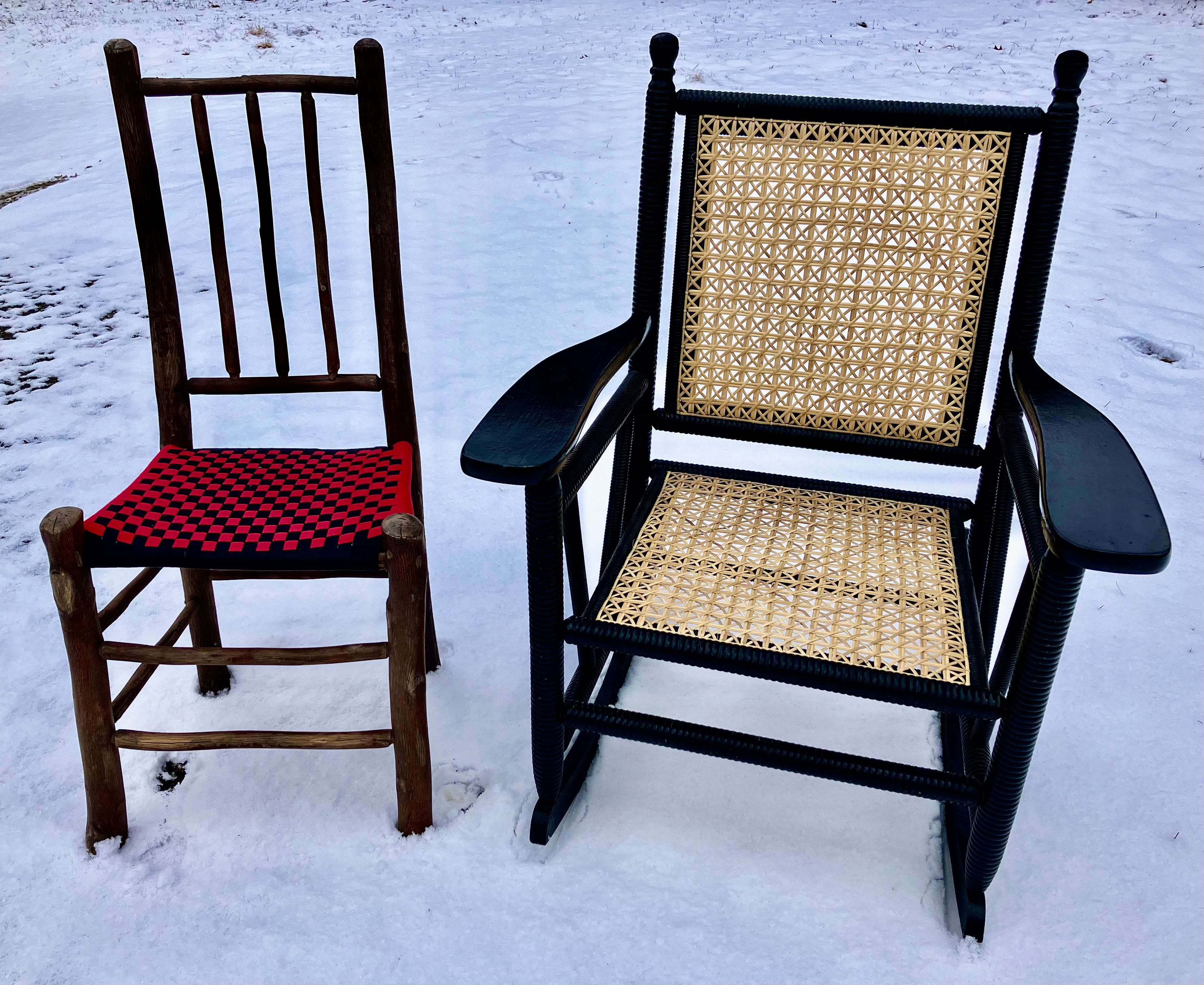
CH: I like working with natural materials. When I’m painting, I work with the highest quality watercolors and paper I can because when you have highly pigmented watercolors, the colors pop more. The paper I use to paint on is made from cotton rag. With chair caning, I’m working with rattan. I don’t weave with plastic. It’s too unreliable and doesn’t feel good. I like weaving with wood, cherry, maple, black ash, birch bark, and paper. There are color variations in natural materials and paper with browns and golden tones. With cherry, you end up with some really interesting grain patterns and the same with maple. Light causes the wood to shimmer. It’s always unique. Black ash is just wonderful to bend and fold. Making potholders from recycled cotton is fun because I get to work with a variety of colors which I don’t get to do when I’m working with wood or cane. The different properties of the materials is always really intriguing.
EK: Can you tell me about your paintings and what they mean to you?
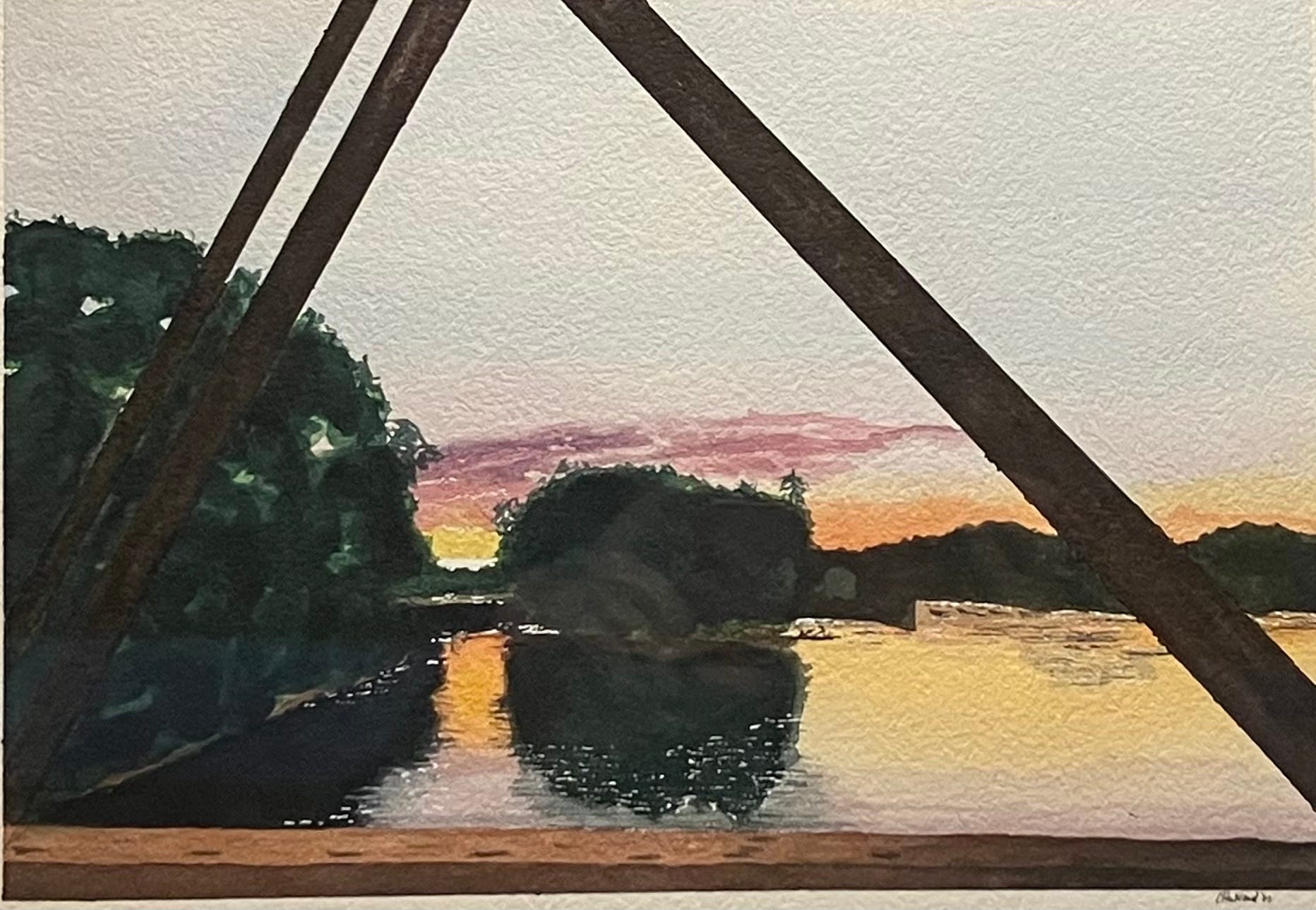
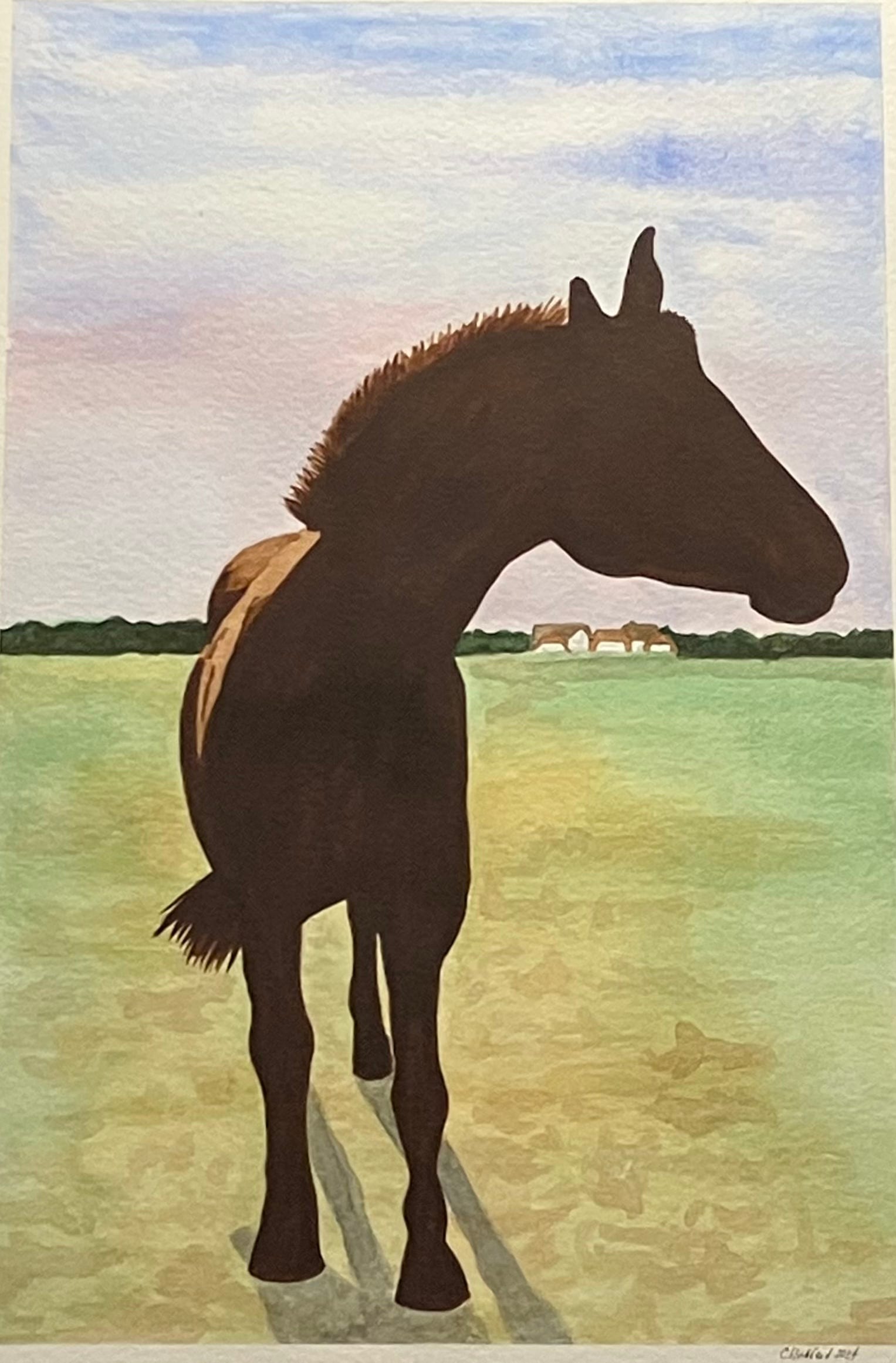
CH: I work off of photographs that I’ve taken from around Washington County or when I’m traveling. There’s always an element of the light that I’m trying to capture, how the light is being reflected off of something or reflected in the sky. Sometimes the subjects are backlit by the sun so it’s in silhouette. The Dix Bridge painting was taken during the sunset over the Hudson River. When I’m looking at photographs that I want to use for watercolor paintings, there’s often an element of the light that I’m trying to capture.
EK: Would you describe the process for your potholder weavings?
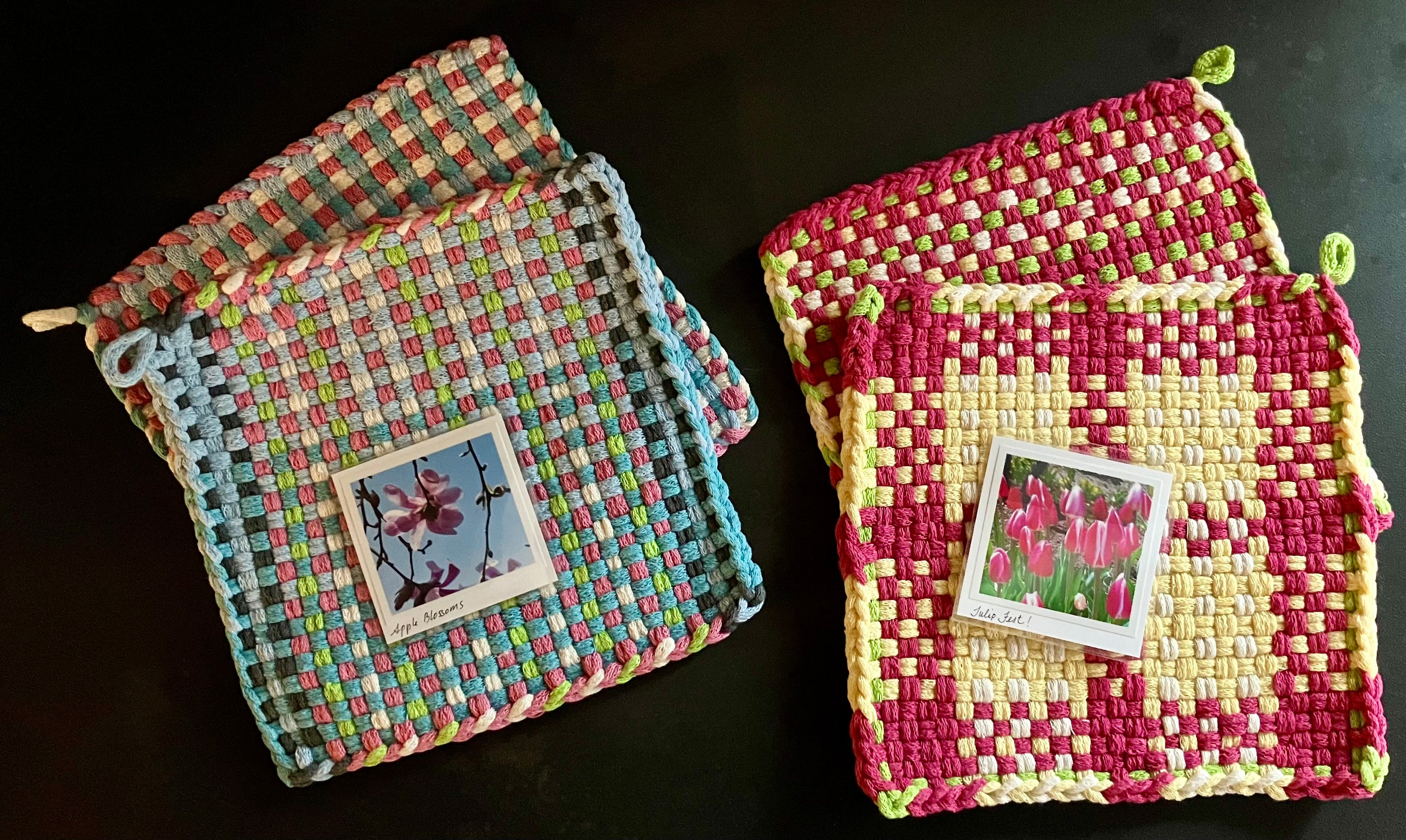
CH: The weavings start with a photograph, too. I use a small loom that is a larger version of the traditional child’s potholder loom. I’m pulling out the colors in the photos that I find compelling, and then translating that into a weaving. In the kitchen you have tools that are often utilitarian and mundane, and my potholders bring a little bit of art into everyday life. When you purchase a potholder you also get the photograph that inspired the abstraction.
EK: Where do you find inspiration for your work, other artists or otherwise?
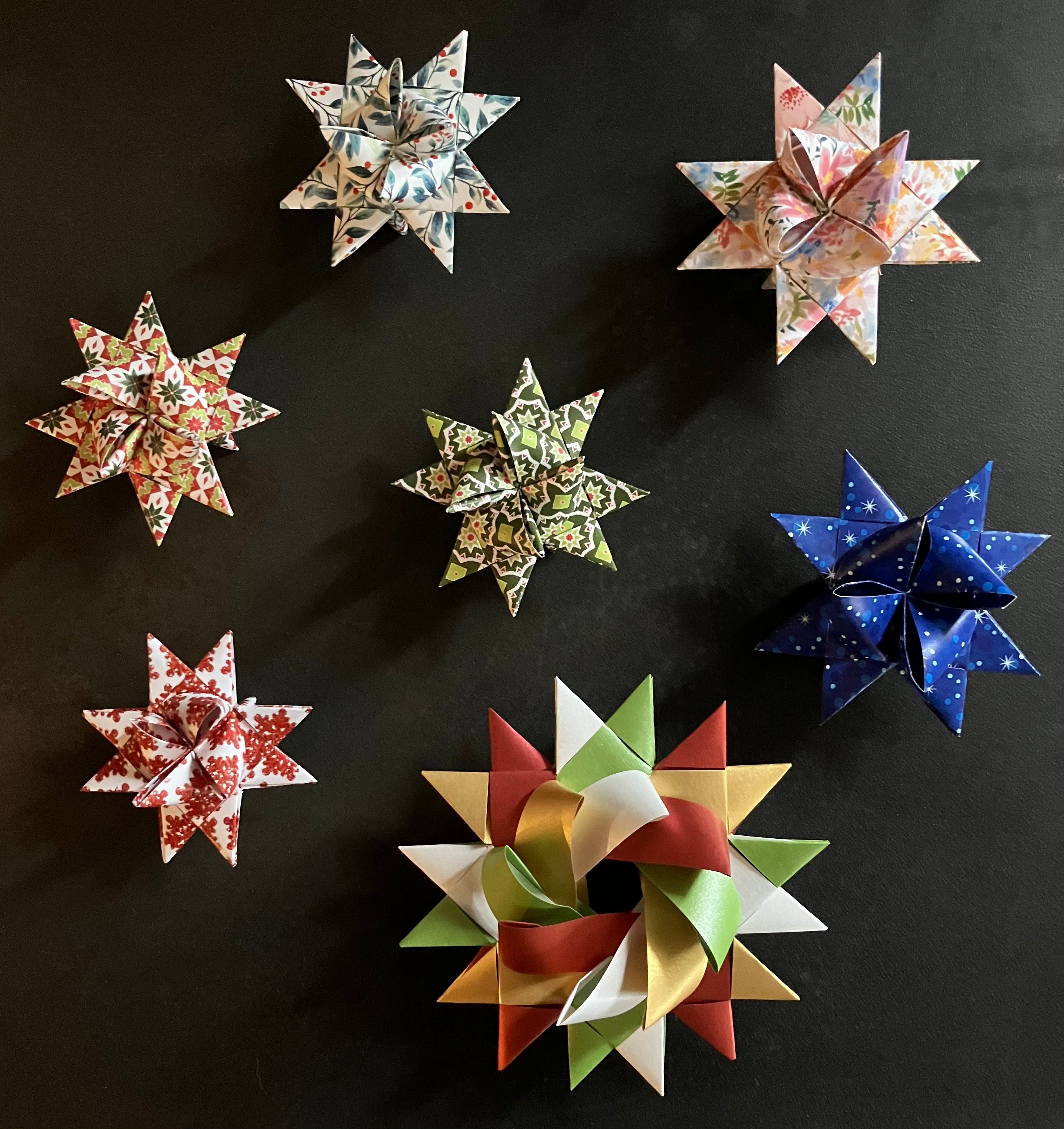
CH: I find inspiration from the natural world and by what I’m seeing. Whenever I’m out taking a hike through the woods, I’m constantly shooting photos. And when I look at my photos, they’re rarely of people and more of what I’m seeing in the natural world. Scandinavian and Northern European traditions are influences. I learned how to sew and do embroidery from my Mom. Fröbel Stars, (little stars made from strips of paper), are taken from traditional folk art that was passed down through generations. Artists Carl Larsson and Jan Brett are sources of inspiration as well.
EK: What role does art play in society, in your view?
CH: I think art brings people together. It is definitely used politically, but it also transcends politics. It can be a bridge and it can also be a way to share people’s lived experiences in how they view the world. I think it’s an extremely important part of any society. You see art in every society. When you turn back the clock to the cave paintings in France, many thousands of years ago, they were creating art. I think it’s just something that’s ingrained in us.
EK: Where can folks see your work?
CH: fb @ Birken Hill Farm and Fiber
Second Annual Fiber Art Show
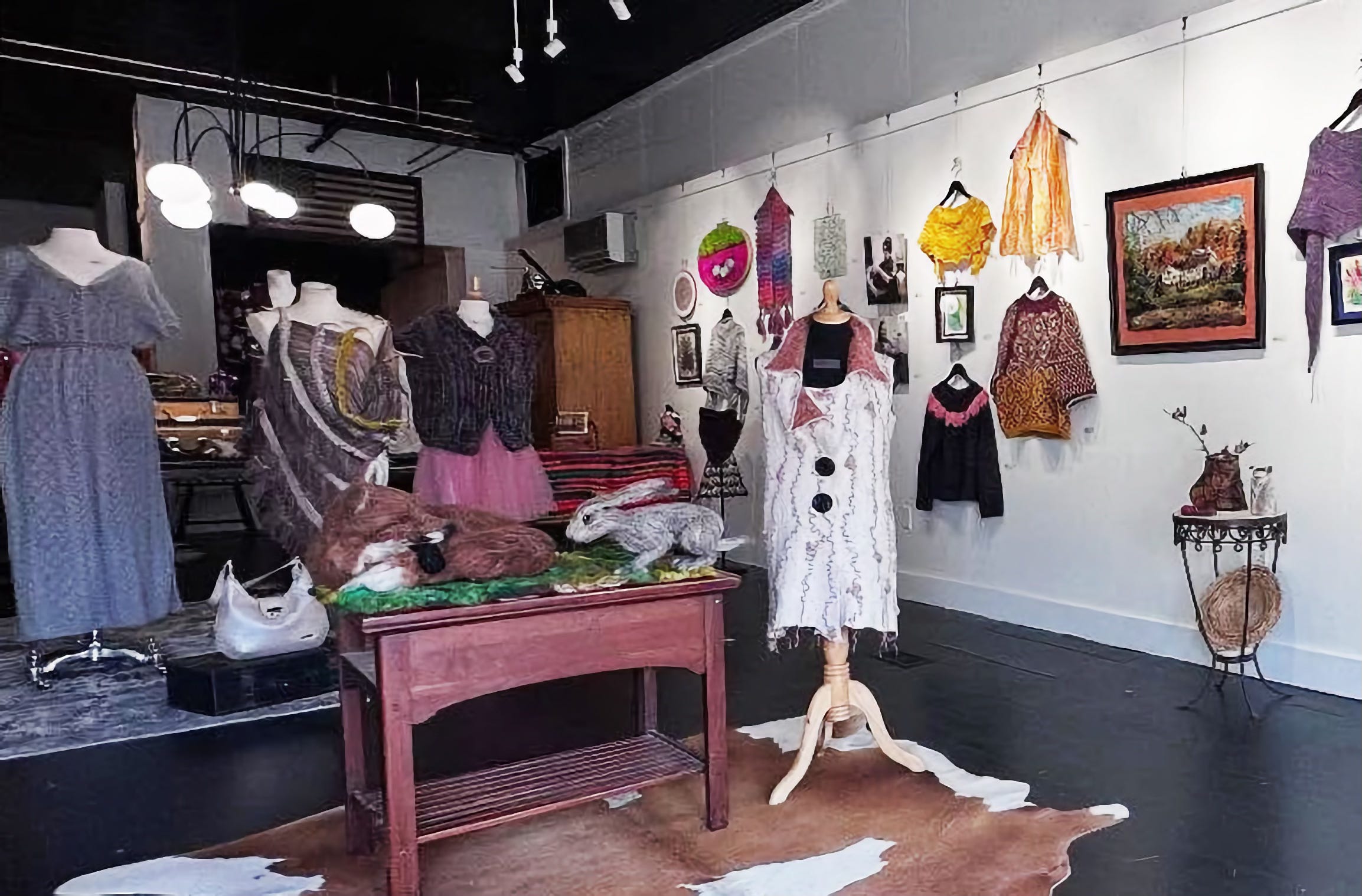
Idlenot Fibersmiths will host its second annual Fiber Art Show over two weekends in late April and early May, inviting the public to explore a wide range of handmade works at its 87 Main St. location.
The free event showcases local fiber artists of all ages and skill levels, highlighting mediums such as knitting, crochet, spinning, felting, weaving, sewing and embroidery. Organizers say the show aims to celebrate the creativity and craftsmanship found throughout Washington County and nearby communities.
“We have so many incredibly talented fiber artists right here in our community, and this show is really just an excuse to get their work out where people can appreciate it,” said co-owner Kate Morse. “Come in whether you knit or you’ve never touched a skein of yarn in your life — you’ll be inspired either way.”
Morse will also contribute a life-sized needle-felted barn owl sculpture to the exhibit.
The show opens with a reception from 5 to 6:30 p.m. Friday, April 24. Additional hours are 11 a.m. to 4 p.m. April 25-26, 11 a.m. to 7 p.m. April 30, and 11 a.m. to 4 p.m. May 1-3.
The event is open to the public.
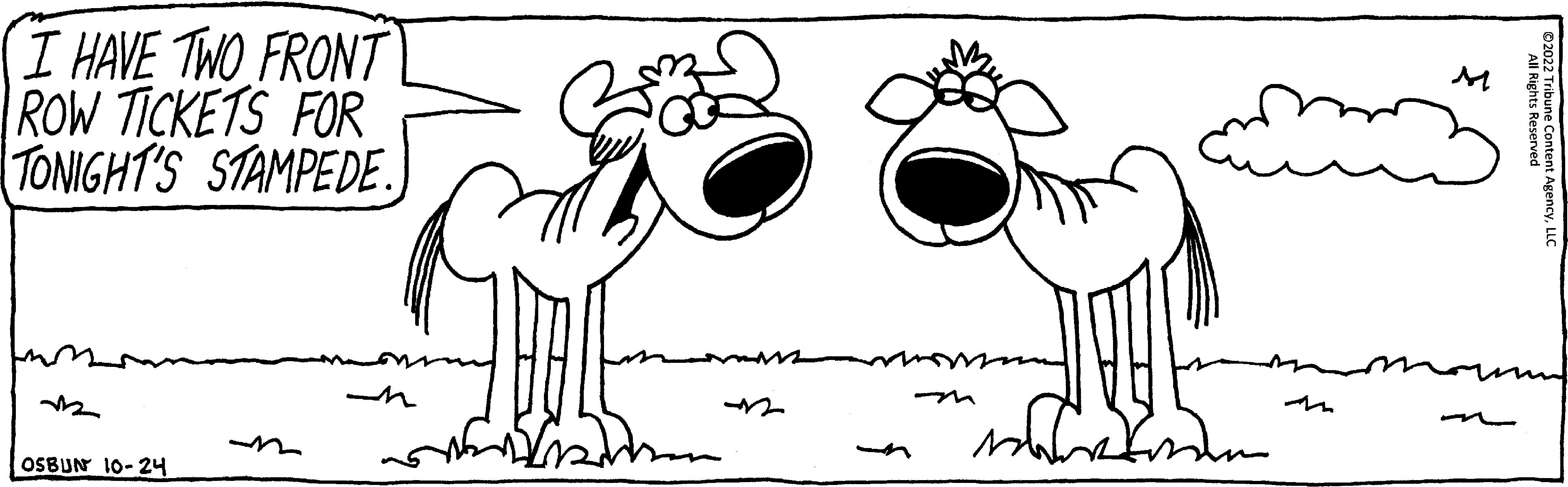
And Now for the Comics — ‘Animal Crackers’ by Mike Osbun
More tomorrow!